 Reviews

 Proudly American
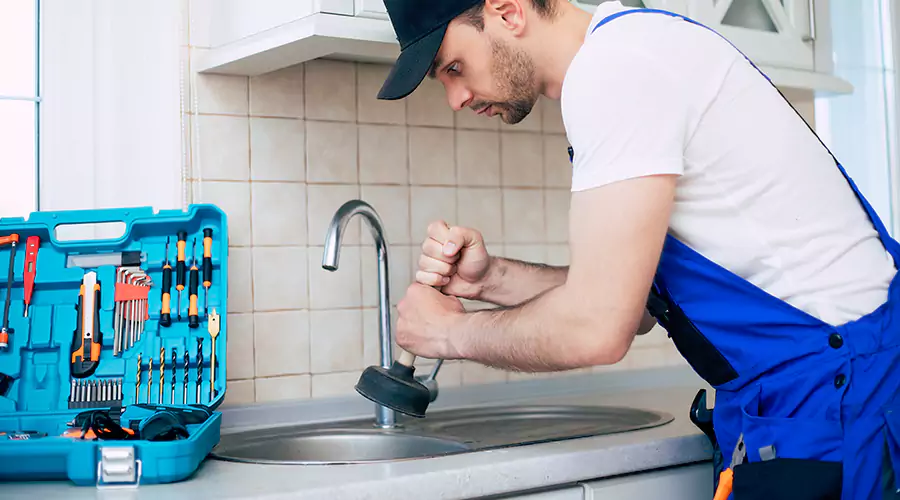
A clogged sink is one of the most common home plumbing problems. It can start as a slow drain and turn into standing water in minutes. The good news is that many sink clogs are easy to clear if you follow the right order and avoid the mistakes that make clogs worse. This guide breaks down the best dos and don’ts for clearing a clogged sink, whether it is in the kitchen or bathroom.
What Usually Causes a Clogged Sink?
Knowing what you are dealing with helps you choose the best unclogging method.
Common kitchen sink clog causes
- Grease and oil that harden inside pipes
- Food scraps, coffee grounds, and starchy residue
- Soap scum and debris stuck in the trap
- Garbage disposal jams (if you have one)
Common bathroom sink clog causes
- Hair and soap scum
- Toothpaste residue
- Small items that fall into the drain (rings, caps)
The Dos of Clearing a Clogged Sink
Do start with the simplest, safest method first?
Begin with steps that are low risk and often effective:
- Remove visible debris from the drain opening
- Flush with hot tap water for a minute (best for kitchen grease buildup)
- Use a plunger correctly
Starting simple reduces the chance of pipe damage and saves time.
Do use a plunger the right way?
Plunging works by moving pressure through the pipe, not by pushing harder.
How to plunge a sink effectively
- If it is a double sink, seal the other drain with a wet rag or stopper.
- Add enough water to cover the plunger rim.
- Place the plunger over the drain and create a tight seal.
- Plunge with steady strokes for 20 to 30 seconds.
- Test the drain with running water.
If it improves but does not clear fully, repeat once more before switching methods.
Do clean the stopper and drain cover?
In bathroom sinks, the clog is often trapped around the stopper assembly.
Quick win
- Remove the stopper if possible.
- Pull out hair and gunk.
- Rinse and reinstall.
This alone can restore normal drainage in many cases.
Do try a gentle home solution for light buildup?
For mild clogs and odors, a simple mixture can help loosen residue.
Baking soda and vinegar method
- Pour 1/2 cup baking soda into the drain.
- Add 1 cup white vinegar.
- Wait 10 to 15 minutes.
- Flush with hot tap water.
This is best after removing surface debris, not as a first step for a heavy clog.
Do use a hand drain snake for stubborn clogs?
A small hand snake (also called a drain auger) is one of the most reliable tools for sink clogs.
How to snake a sink drain
- Feed the cable slowly into the drain.
- Rotate the handle when you feel resistance.
- Pull the cable out, wipe off debris, and repeat.
- Flush with water to confirm the clog is gone.
Bathroom clogs often wrap around the snake head, which makes removal easier.
Do check and clean the P-trap for kitchen clogs?
If plunging and snaking do not work, the clog may be in the P-trap (the curved pipe under the sink).
Basic P-trap cleaning
- Place a bucket under the trap.
- Unscrew the slip nuts by hand or with pliers.
- Remove the trap and clean it out.
- Reinstall and run water to check for leaks.
If pipes are old, corroded, or hard to loosen, avoid forcing them.
Do protect your garbage disposal?
If your kitchen sink has a disposal, check it safely.
Safe disposal checklist
- Turn off power at the switch first.
- Look for visible jams and remove debris with tongs, not your hand.
- Press the reset button on the bottom if it tripped.
- Run cold water when testing.
A jammed disposal can mimic a clog, especially if one side of a double sink backs up.
The Don’ts of Clearing a Clogged Sink
Don’t pour grease, oil, or food scraps down the drain?
This is the most common reason kitchen sinks clog again and again.
Avoid putting these down the drain:
- Cooking grease and oil
- Rice, pasta, flour, and potato peels
- Coffee grounds
- Eggshells in large amounts
Grease should go into a container and into the trash once cooled.
Don’t use harsh chemical drain cleaners as your first move?
Chemical drain cleaners can:
- Damage some pipes and fittings
- Harm fixtures and seals
- Create safety hazards if the clog does not clear
- Make future repairs harder because chemicals can remain in the pipe
If you already used a chemical cleaner, avoid adding anything else. Flush carefully with plenty of water and use extra caution.
Don’t mix cleaning products?
Mixing products can create dangerous reactions. Stick to one method at a time and rinse between attempts. If you are unsure what was used previously, avoid chemical approaches.
Don’t keep running water into a fully clogged sink?
If water is not draining at all, do not keep the tap running. It increases overflow risk and can soak cabinets and floors.
Instead:
- Stop the water
- Scoop out standing water
- Start with plunging or debris removal
Don’t overtighten plumbing connections?
When reassembling the P-trap or tightening a supply line, more force is not always better. Over tightening can crack fittings or cause leaks.
Tighten until snug, then check for drips while the water runs.
Don’t ignore warning signs of a bigger problem?
A simple sink clog is common, but some symptoms suggest a deeper issue:
- Multiple drains are slow at the same time
- Gurgling sounds when water drains
- Bad odors that do not go away
- Water backing up in another fixture (like a tub) when the sink runs
These signs can point to a blockage further down the line or a venting issue.
Best Order to Unclog a Sink (Quick Plan)
If you want a clear sequence to follow, use this order:
- Remove surface debris and clean the stopper
- Hot tap water flush (best for kitchen buildup)
- Plunge correctly
- Snake the drain
- Clean the P-trap (mainly for kitchen sinks)
When to Call a Plumber?
Call a plumber if:
- The clog returns quickly after you clear it
- Several drains are affected
- You suspect a leak under the sink
- Pipes are corroded, fragile, or difficult to disassemble safely
- Water backs up with foul odor or discoloration
A professional can inspect deeper blockages and protect your plumbing from damage.
FAQ
What is the fastest way to clear a clogged sink?
For many clogs, plunging works fastest. For bathroom sinks, cleaning the stopper often solves it even quicker.
Why does my sink keep clogging?
Repeat clogs usually come from grease and food buildup in kitchens, or hair and soap scum in bathrooms. A drain strainer and routine cleaning help prevent it.
Is boiling water safe for sinks?
Hot tap water is generally safer. Boiling water can be risky for some plumbing setups and is not recommended if you are unsure about pipe material or condition.
Final Takeaway
Clearing a clogged sink is usually easy when you follow the right dos and don’ts. Start with safe basics like debris removal, hot water, and proper plunging. Use a hand snake for stubborn clogs and clean the P-trap when needed. Avoid harsh chemicals, avoid mixing products, and do not force old fittings. If multiple drains are slow or clogs keep returning, it is time to call a plumber.